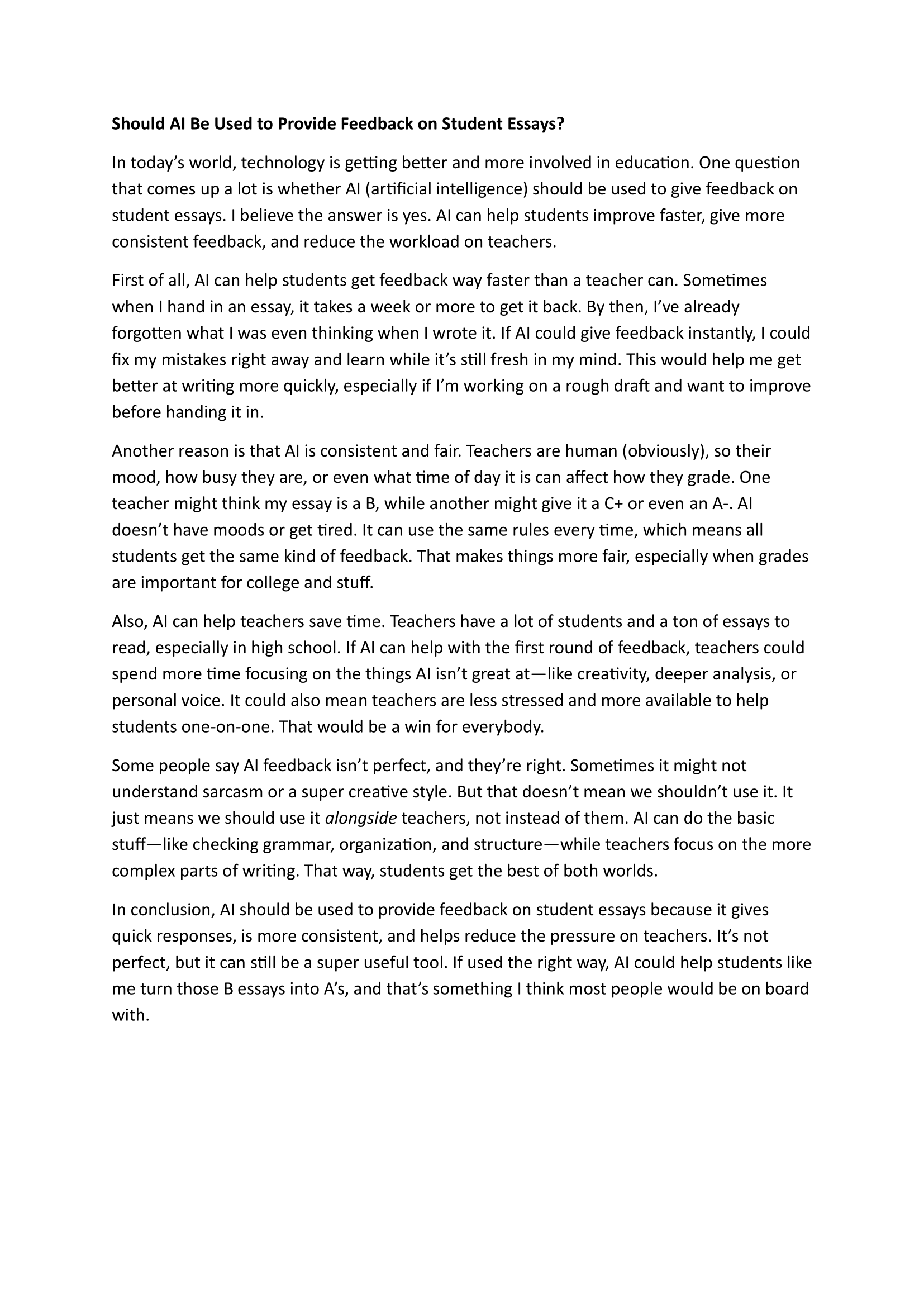
The Oxbridge tutorial system is widely regarded as one of the most effective models of academic education in the world. Students who go through it routinely describe it as intellectually transformative. Yet the vast majority of students around the world will never experience it. Understanding why reveals something important about how feedback shapes learning, and what it takes to replicate that experience at scale.
What Does "Oxbridge" Mean?
"Oxbridge" is a portmanteau of Oxford and Cambridge, the two oldest and most prestigious universities in the United Kingdom. The term is used to describe both institutions collectively, particularly when referring to features they share — their collegiate structure, their admissions process, and above all, their distinctive approach to teaching.
Oxford and Cambridge have educated prime ministers, Nobel laureates, and leading figures across every academic discipline. Much of that success is attributed not to lecture theatres or reading lists, but to the tutorial system.
How the Tutorial System Works
At its core, the tutorial system (called supervisions at Cambridge and tutorials at Oxford) works like this:
- Students are given a reading list and an essay question at the start of the week
- The students write a 1,500 to 2,500 word essay, working independently
- The students meet with their tutor in small groups of one to five, for roughly an hour
- The tutor reads the essays or listens to the students present it, then gives detailed verbal feedback
- The discussion challenges the students' arguments, probes their reasoning, and pushes them to think more rigorously
This cycle repeats every week, sometimes multiple times per week across different subjects. Over the course of a term, a student might write eight to twelve essays and receive eight to twelve rounds of intensive, expert feedback.
Why the Tutorial System Is So Effective
The tutorial system works because it combines several elements that are rarely found together in conventional education.
Frequent, High-Stakes Practice
Writing a full essay every week forces students to engage deeply with material, form their own arguments, and express ideas clearly rather than absorb information passively. The regularity builds discipline and accelerates learning.
Immediate, Personalised Feedback
Rather than waiting weeks for a marked paper to be returned, students receive feedback in real time from someone who has read their specific work. The feedback is not generic advice about essay structure, it is a direct response to what this student argued in their essay this week.
Intellectual Challenge
Tutors do not simply correct mistakes. They push back. They ask: Why do you think that? What would your argument look like if this assumption were false? Have you considered the counter-evidence? This Socratic pressure develops the kind of analytical thinking that generic teaching rarely produces.
A Safe Environment to Fail
Because the work is formative — it does not directly determine your final grade — students can take risks, make bold arguments, and be wrong without catastrophic consequences. The tutorial is a space to learn by doing, not just by consuming.
The result is that students develop genuine intellectual confidence and the ability to construct rigorous written arguments under pressure — skills that serve them far beyond their degree.
The Problem: Cost, Scarcity, and Scale
If the tutorial system is so effective, why does it remain largely confined to two universities?
The answer is economics. Running weekly small-group or one-to-one tutorials requires a very high ratio of academic staff to students. At Oxford and Cambridge, tutors are typically active researchers and faculty members who dedicate significant hours each week to individual teaching. That is extraordinarily expensive.
For most universities, the maths simply does not work. A tutor with thirty students, or a lecturer with 300, cannot provide each of them with a personalised hour of expert feedback every week. Essay feedback in most universities (and high schools) tends to be infrequent, brief, and generic. Students may submit an essay and wait two or three weeks for a mark and a handful of comments. Many receive no substantive feedback at all before an exam.
The tutorial system is, in effect, a luxury. It scales to two institutions and a small number of students per year. For everyone else, there is an enormous feedback gap.
How AI Feedback Tools Are Closing the Gap
This is where AI-powered feedback can help.
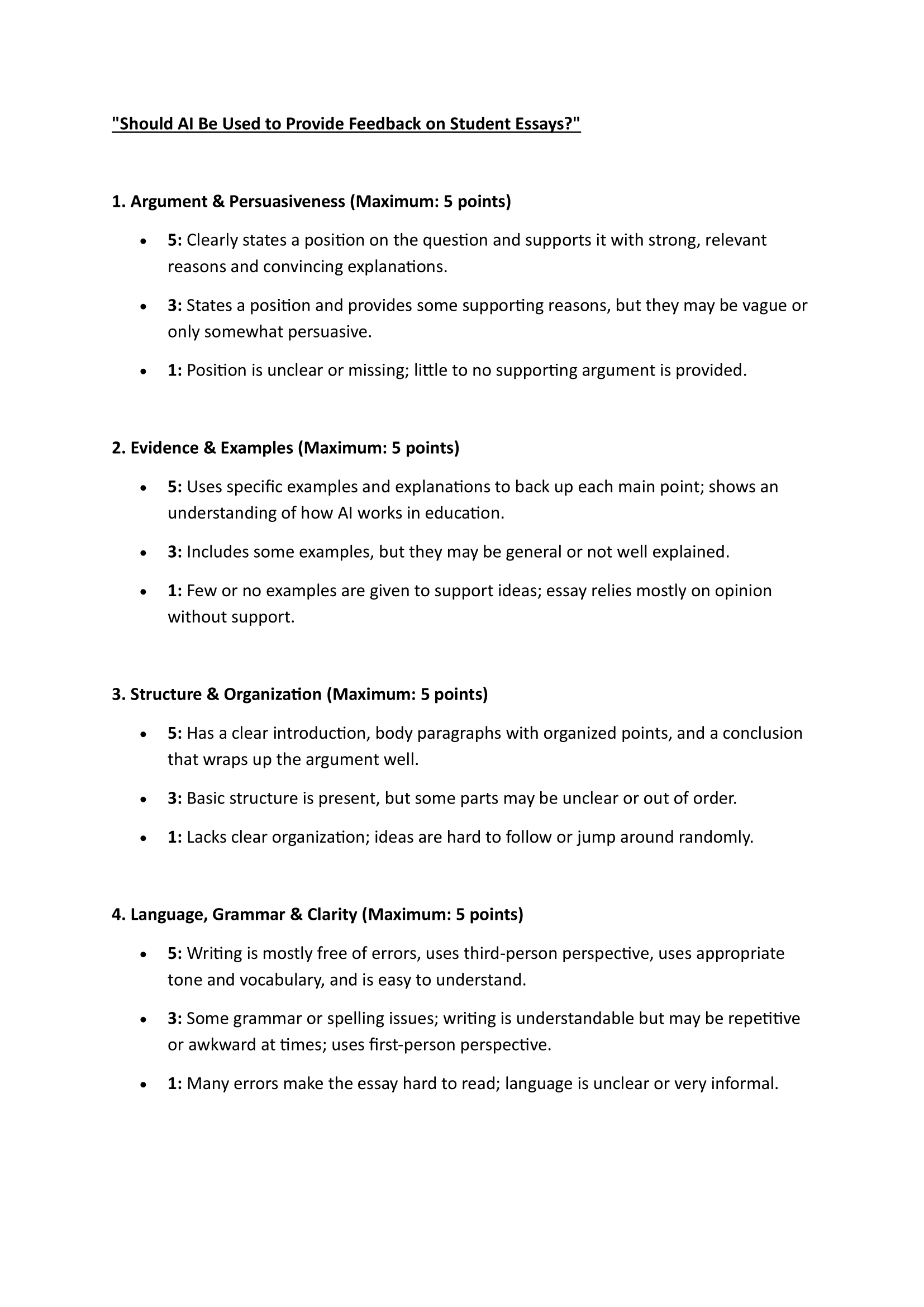
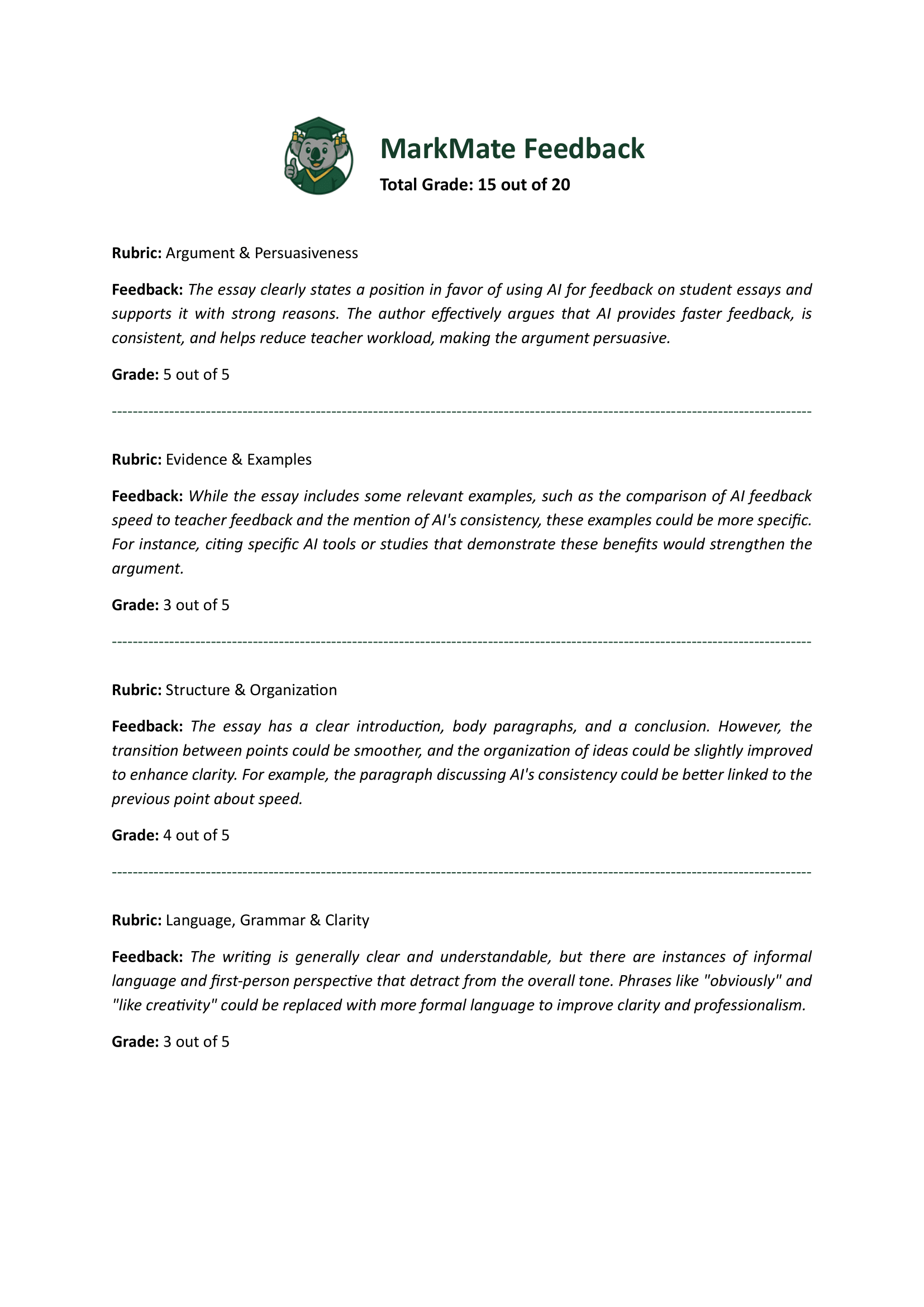
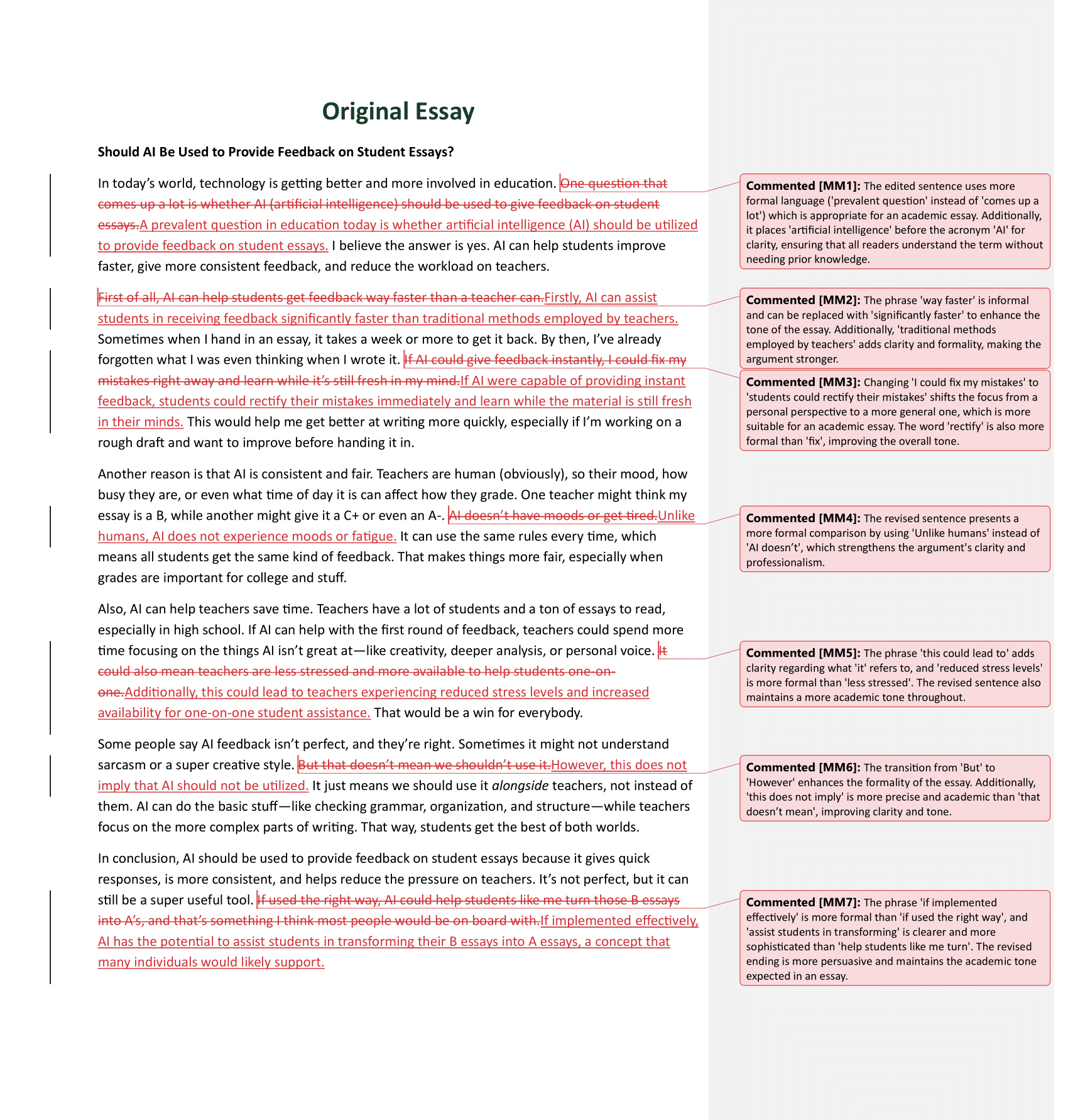
Tools like MarkMate can read a student's essay, compare it against their marking criteria or learning objectives, and return detailed, specific, actionable feedback within seconds. Not generic tips about "using more evidence," but a direct response to the argument the student actually made, identifying where the reasoning is strong, where it is vague, and what would make it more persuasive.
This is not a perfect replica of a one-hour conversation with a world expert. But it addresses the core constraint: the scarcity of expert time.
A student in a state school in Manchester, a college in Malawi, or a self-study programme anywhere in the world can now submit an essay draft and receive the kind of structured, detailed critique that Oxbridge students get every week. They can iterate on their argument before submission. They can practise writing under essay conditions and get feedback immediately.
The feedback loop that the tutorial system runs on — write, get detailed feedback, revise your thinking, write again — is no longer exclusive to Oxford and Cambridge. AI makes it available to anyone with a draft essay and a question to answer.
The Takeaway
The Oxbridge tutorial system works because it gives students something rare: regular writing practice combined with immediate, expert, personalised feedback. That combination builds stronger thinkers and stronger writers than almost any other educational model.
For most of history, access to that model depended on getting into one of two universities. AI feedback tools mean that the underlying mechanism — fast, specific, expert-level feedback on your actual work — is no longer gated behind an admissions process.
Try MarkMate for free and experience what regular, detailed essay feedback can do for your writing.